Start with the kind of participation you want: a question everyone can answer, a challenge for volunteers, or an activity that gets students moving. Browse the games below, then open the rules and previews to decide what fits your gathering.
Match the game to your room
Check whether the instructions call for a screen, presentation software, supplies, or space to move. Set up the equipment and walk through the rounds before students arrive.
Choose how students will participate
Read the rules for how players answer, compete, or volunteer. Use those details to decide whether the game suits your students and the time you have available.
Preview before you buy
Review the available rules and example rounds on each product page. Check the included files so you know what you will download and what you need to provide.
A jumble of ordinary sounds can hide an extraordinary Bible story. Discernment - Bible Story Edition gives students nonsense phrases to read aloud and decode. Try different speeds, listen for the connection, and identify the Scripture story hiding in what sounded like babble.
The menu is the challenge in Iron Gut Challenge. Two students face the same unappealing food item and compete to finish it, with the audience watching every reaction. This is a physical food contest; the download supplies the on-screen introduction and rules.
Some songs can take you straight back to a particular summer. Summer Playlist tests whether students can name the year behind that memory. Play a song, display its name, and have the group guess when it became a popular summer hit.
What would a fictional character's most-played songs reveal about them? Wrapped builds that puzzle from song titles, giving students more clues as the list grows. Guess the character after the first song for the most points, or wait for another track to connect the dots.
A summer purchase went badly, and the complaint is your only clue. One Star Reviews - Summer Edition asks students to identify seasonal products from their unhappy reviews. Read the criticism, imagine the object, and find out whether the reveal matches your best guess.
Some Bible details are easier to overlook than the big stories. Trivia - Really Weird Bible Edition asks students about unusual moments and surprising details from Scripture. Play with contestants or teams, reveal each answer, and see who remembers the less familiar parts.
One wrong letter per word can do a surprising amount of damage to a song. Lyric Mix-Up gives students altered lyrics to decipher, then asks for the song title behind the nonsense. Recognize the artist too and there’s an extra point waiting.
Your audience knows the movie. Your contestants only get the humming. Hmm & Hmm - Movie Edition turns familiar film music into a guessing challenge, with the crowd trying to communicate a title through a tune while every actual word stays off limits.
One word, five seconds, and suddenly every song you know disappears. Don't Think, Sing! lines volunteers up to sing a song containing the displayed word. Each person needs a new song, so an easy prompt becomes harder as the line keeps moving.
The photo looks convincing—but could it be cake? Fake or Cake asks students to inspect pictures and decide whether each one shows an edible imitation or something that is not cake. Trust the details, make a call, and let the reveal settle it.
That LEGO build looks impressive—but how many bricks went into it? Brick By Brick turns elaborate structures into an estimation challenge. Students guess the construction count, from character models to enormous builds, and try to land closest to the supplied total.
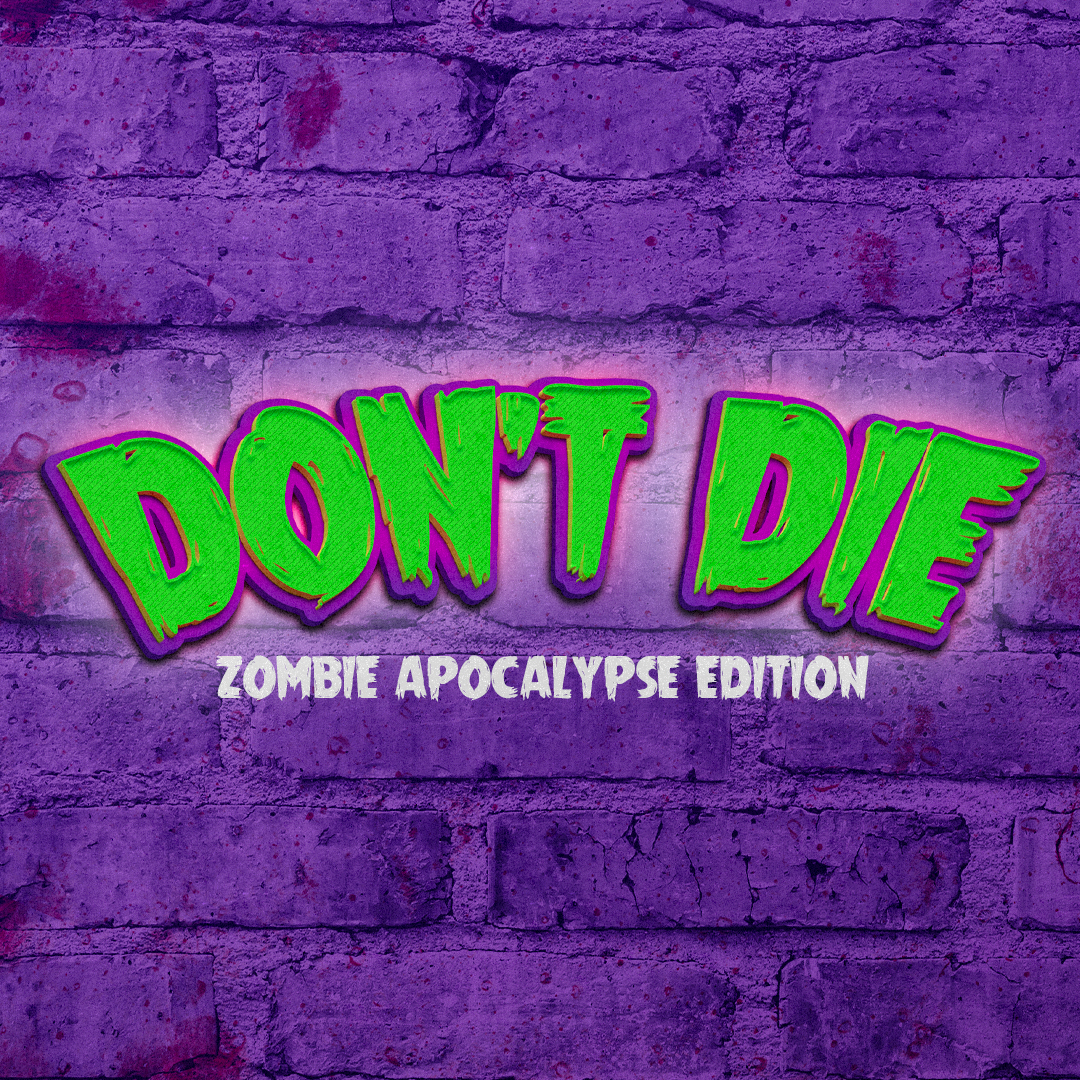
Your answer decides whether you stay human in Don't Die - Zombie Apocalypse Edition. Students respond to survival-themed questions by moving to their chosen answer area. Correct guesses keep them standing; a wrong choice sends them to a seat among the zombies.
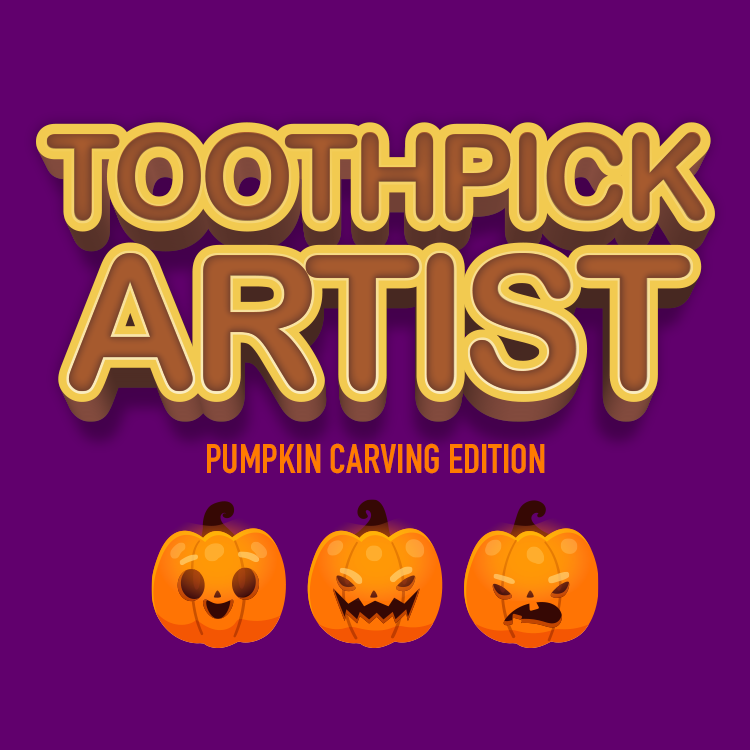
This pumpkin-carving contest starts with a foam cup and a toothpick. Toothpick Artist - Pumpkin Carving Edition asks students to turn those unlikely materials into their best pumpkin design. The challenge is in making a tiny tool and an ordinary cup look like seasonal art.
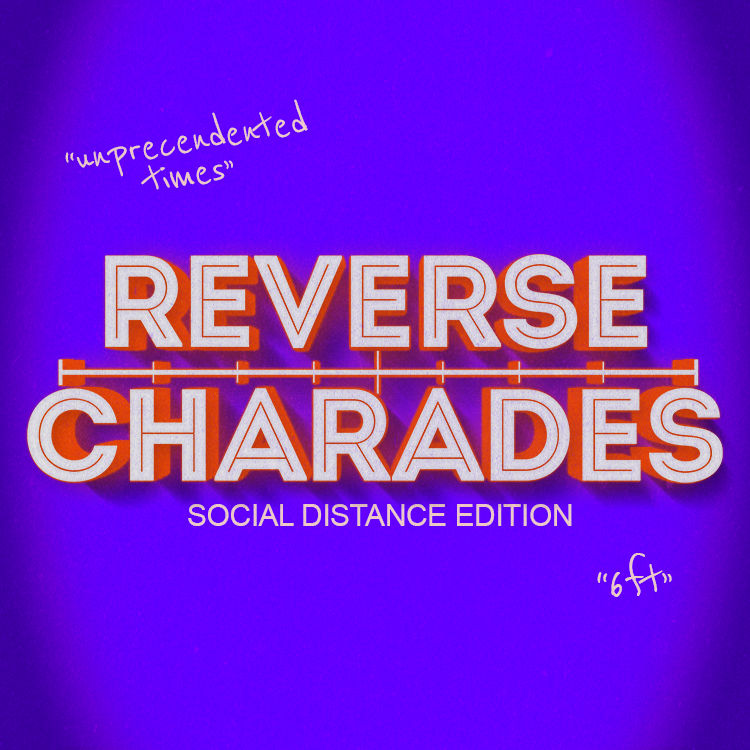
Online school, binge-watching, and an empty toilet-paper shelf become acting clues in this edition of Reverse Charades. The audience sees the prompt and communicates it silently, while students at the front try to identify the everyday moments behind the room’s gestures.
A PlayStation or a thousand bottles of Coke? The comparisons in 1 vs 1000 - Dating Edition make students weigh one big purchase against a seriously oversized shopping cart. Pick the costlier option, then let the prepared prices settle the debate.
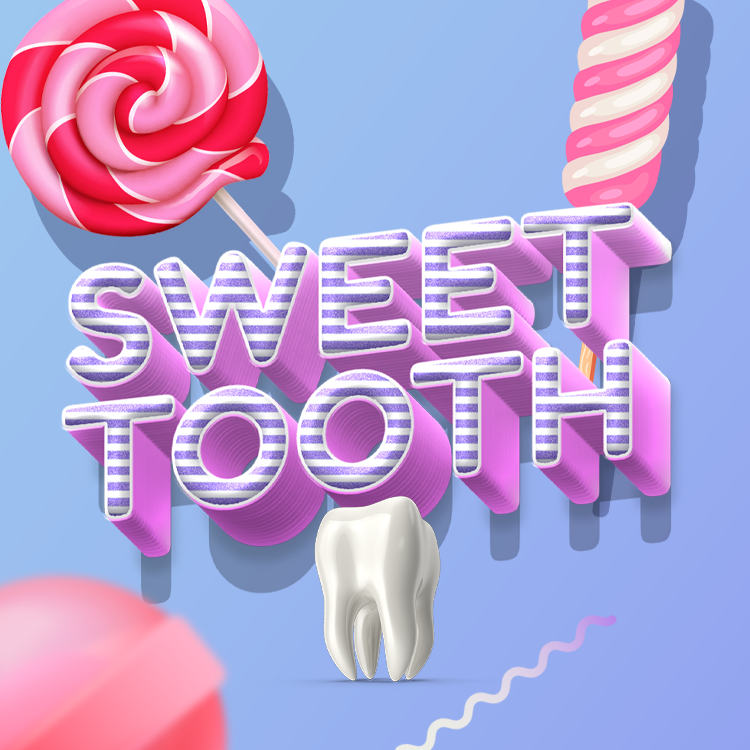
Recognizing candy gets harder when you can't see it or pick it up. Sweet Tooth puts blindfolded contestants in front of three candy samples and lets another person feed them. Students name what they taste, with the most correct identifications deciding the winner.
Astronauts having a tea party in an aquarium would be strange enough to watch. What's Behind Me? makes a contestant guess that kind of scene without seeing it. The audience can see the picture and supplies the clues that connect the contestant to the chaos.
The tune is familiar; the lyrics are strictly off limits. Hmm & Hmm - Sing-A-Long puts contestants in front of a humming crowd, trying to identify the song everyone else can see. Your audience becomes the soundtrack, one wordless melody at a time.
A stack of cups can turn into a surprisingly tense finish line. Stack Em challenges contestants to build a standing cup pyramid before their opponents do. If you're running a tournament, the supplied rules add a blindfolded final for an extra test of coordination.
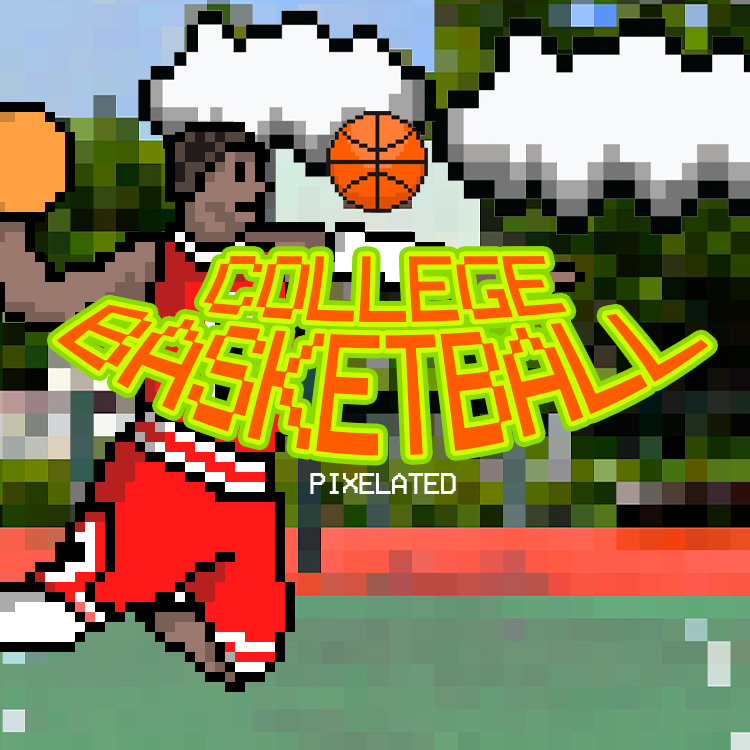
A team logo you know by heart can get tricky when it turns into squares. Pixelated: College Basketball Edition challenges students to recognize college basketball teams from obscured logos, earning a point for a correct call before the image finally comes into focus.
These Thanksgiving turkeys are full of air. Turkey Burst gives two contestants balloons decorated like turkeys and challenges them to pop the whole batch by sitting on them. Set up the balloon birds before your gathering, then see whose collection disappears first.
The crowd's favorite order is only part of the story. Average Drive-Thru asks on-stage contestants to predict which of three fast-food choices lands in the middle of the audience's preferences. Students vote with their feet while contestants face away from the results.
You can stage a snowball fight without a flake of snow. Reverse Charades: Winter Activities asks the audience to act out cold-weather prompts while contestants identify them from the front. From sledding to shoveling, the whole room becomes a silent winter scene.
A location can give away a whole television show if you know where to look. Where in the World - TV Show Edition displays scenes for students to recognize. Players race to name the show, then check the answer before taking another trip through television.