Start with the kind of participation you want: a question everyone can answer, a challenge for volunteers, or an activity that gets students moving. Browse the games below, then open the rules and previews to decide what fits your gathering.
Match the game to your room
Check whether the instructions call for a screen, presentation software, supplies, or space to move. Set up the equipment and walk through the rounds before students arrive.
Choose how students will participate
Read the rules for how players answer, compete, or volunteer. Use those details to decide whether the game suits your students and the time you have available.
Preview before you buy
Review the available rules and example rounds on each product page. Check the included files so you know what you will download and what you need to provide.
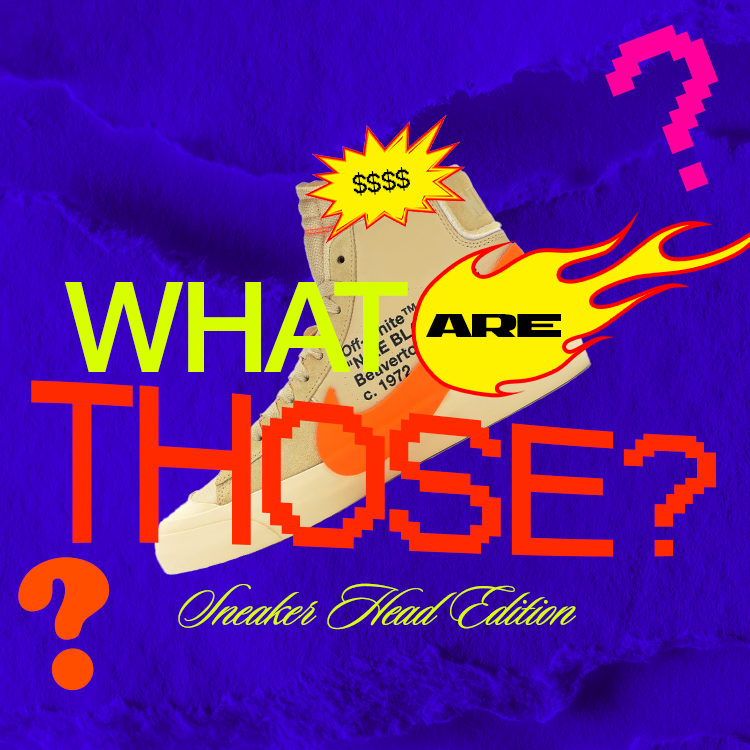
The shape, color, and details of a sneaker are the clues in What Are Those? Sneakerhead Edition. Students identify the shoe shown on screen and collect a point for a correct name. It's a chance for footwear knowledge to earn something beyond a compliment.
One contestant names a percentage, and the whole room has an opinion about it. Over Under combines numerical guessing with audience movement: contestants aim close to the answer while the crowd decides whether the real figure should be higher or lower than the guess.
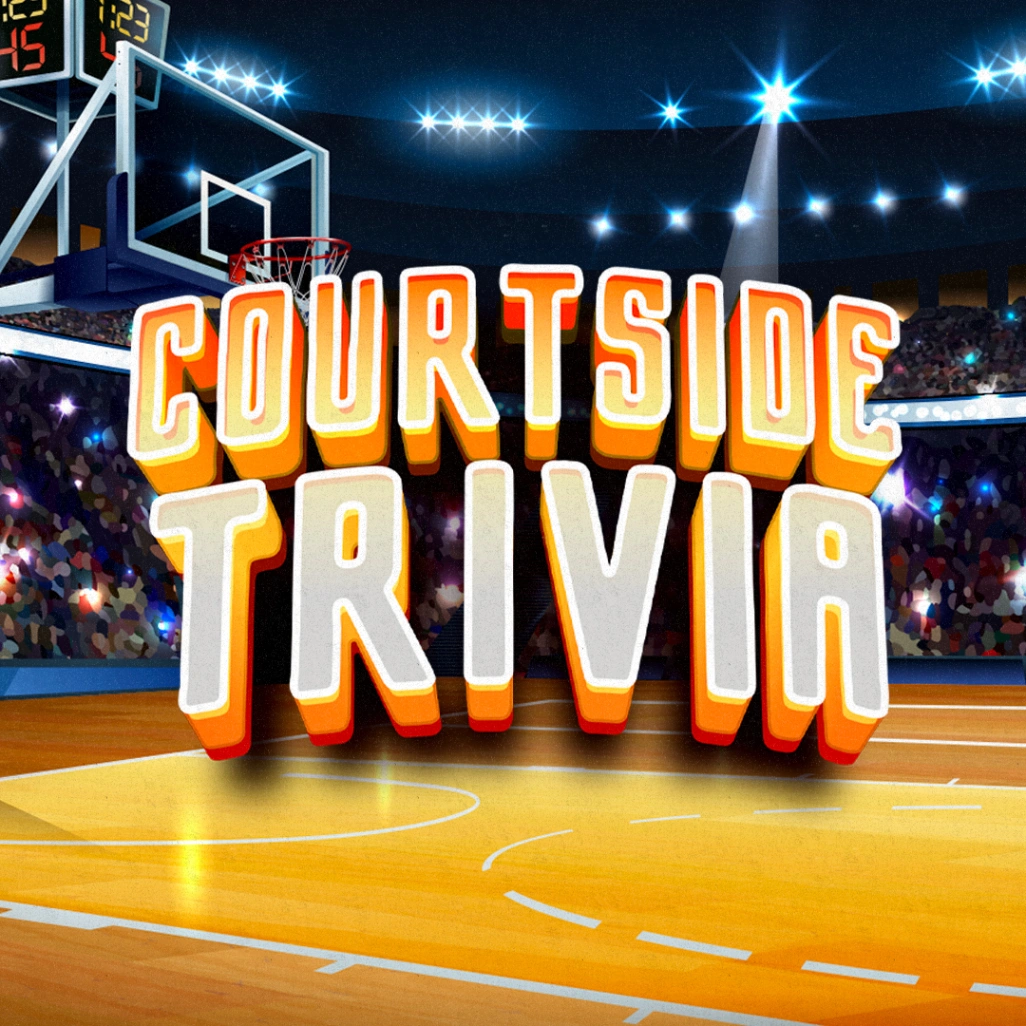
Knowing the answer only earns you the shot. Court Side Trivia combines on-screen questions with a physical basket challenge: answer correctly, choose your shooting distance, and try to turn knowledge into points. Farther shots carry a bigger potential score.
A tent or an RV, a boat or a treehouse: summer vacation has plenty of decisions. Would You Rather? - Summer Vacation Edition lets students choose the version they'd prefer and move to show it. The room becomes a picture of everyone's ideal summer.
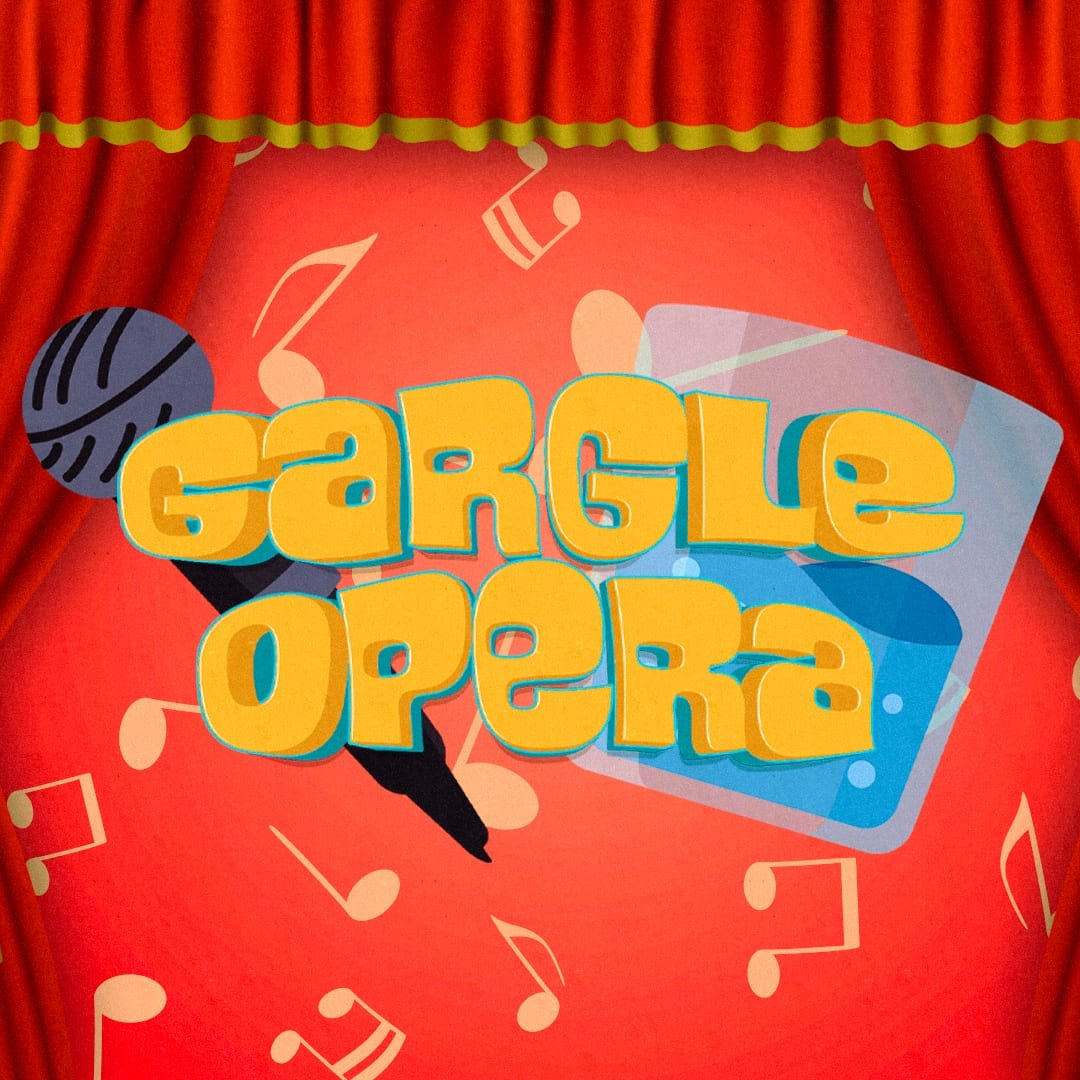
The melody is familiar; the instrument is a mouthful of water. Gargle Opera asks a performer to gargle a popular tune while everyone tries to recognize it. The first correct song guess wins, even when the performance sounds more like a bubbling fountain.
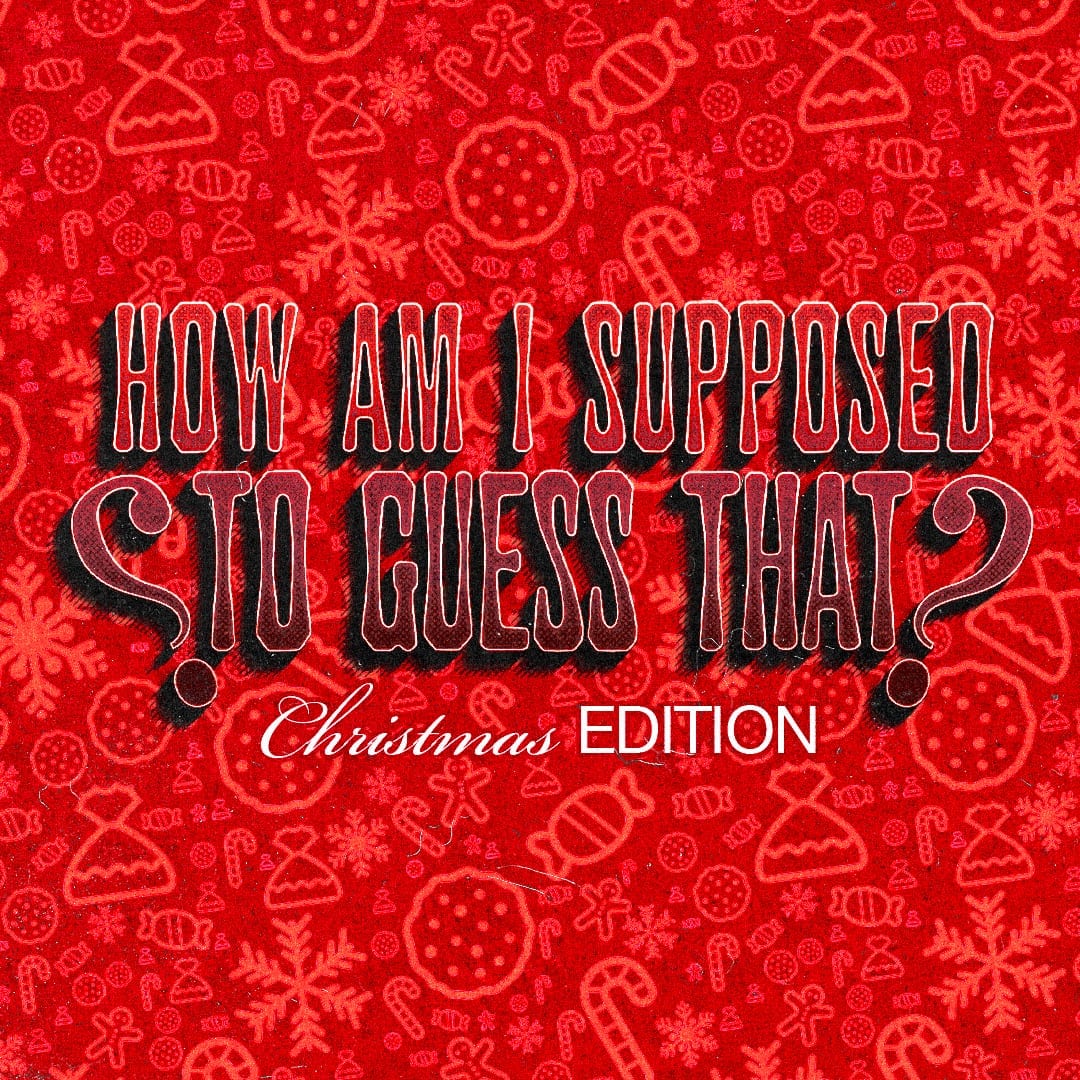
Stockings above a beach fireplace are hard enough to explain without the whole room chiming in. This Christmas guessing game gives each team an unusual picture to describe to its volunteer, who must name the key details without hearing the forbidden keywords.
A promising movie plot does not always promise a hit. Block Busted gives students a film's story and asks whether it became a blockbuster or a bust. Make the call from the description, then see the movie title and verdict on screen.
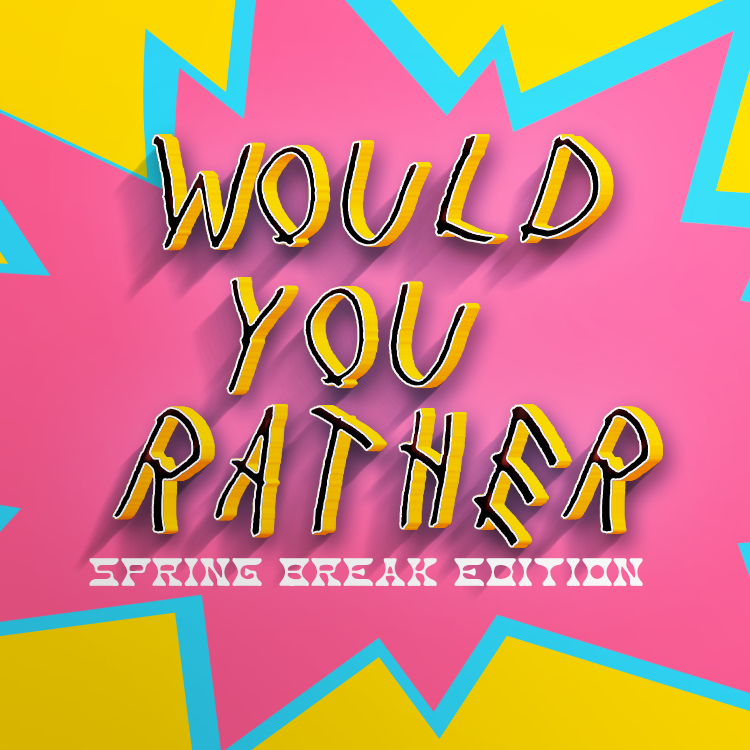
A beach trip sounds good until most of the room chooses the mountains. Would You Rather - Spring Break Edition makes students pick a side, then keeps only the majority in the game. The challenge is committing to a preference before seeing where everyone else lands.
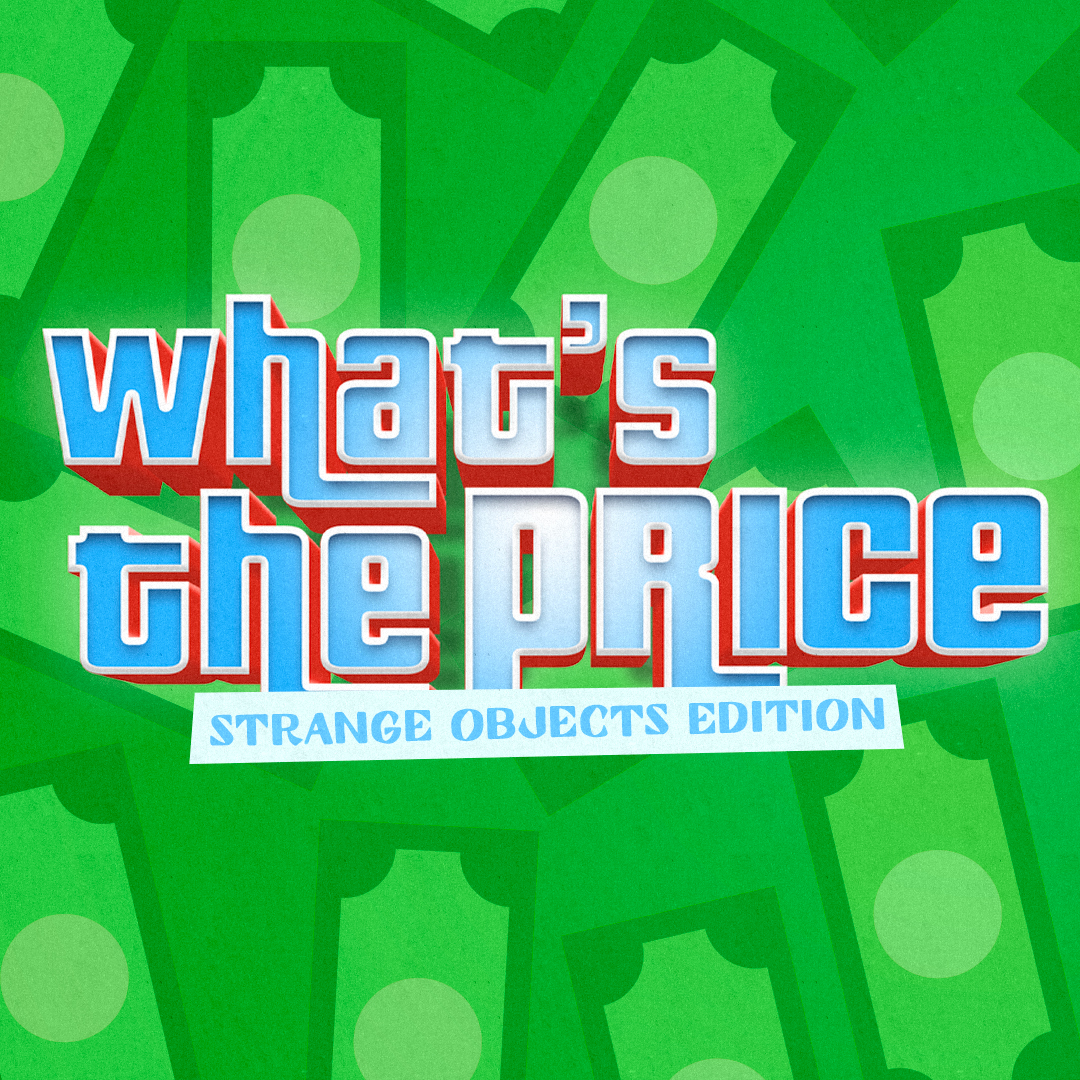
Guinea pig armor sounds like a joke until the price appears. What's the Price - Strange Objects Edition asks students to estimate the cost of unusual expensive items. Put the object on screen, collect guesses, and reveal the price supplied in the game.
A cactus playing soccer on the moon is easy to describe—until the obvious words are forbidden. AI Made What? puts two volunteers with their backs to the screen while their teams shout clues about AI-created pictures. Saying a keyword disqualifies the team.
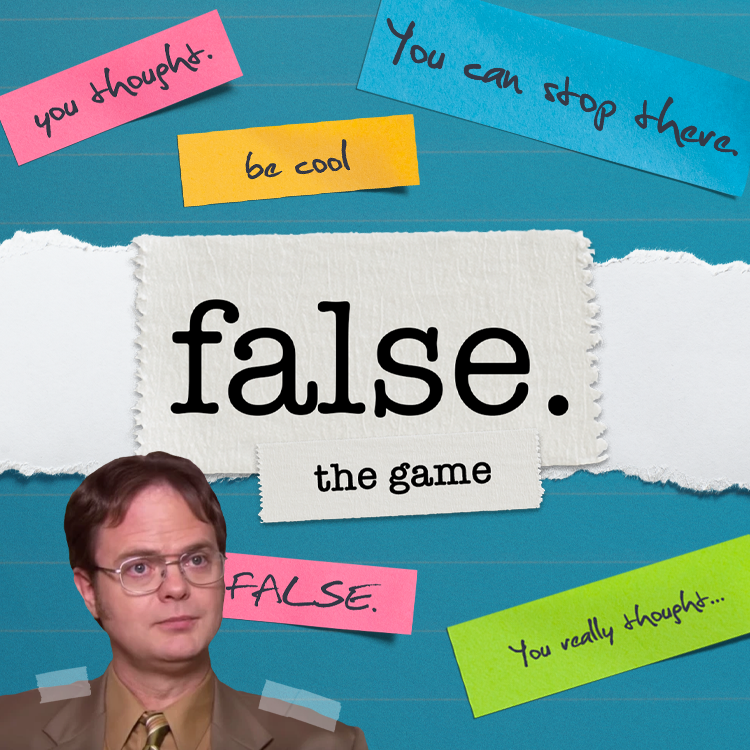
Some television premises sound invented even when they actually aired. FALSE. gives students a show's name and description, then asks whether it is a real TV program or a made-up one. The more unusual the idea, the harder the decision becomes.
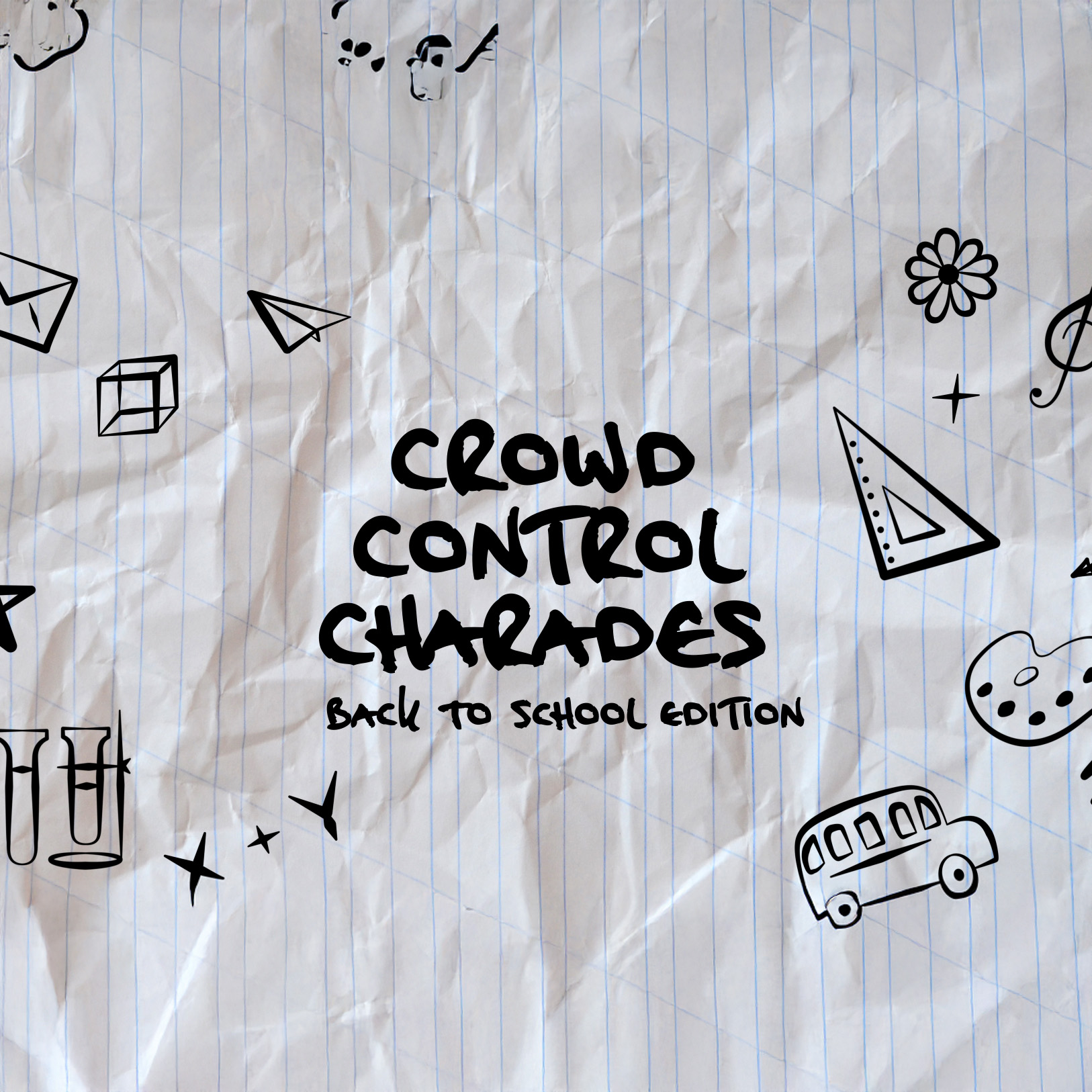
A school-day action appears behind the contestant, but they have to discover it by following spoken directions. Crowd Control Charades - Back To School Edition combines acting with guessing. Words guide the performance, and the first contestant to identify the action earns the point.
Heads or tails becomes a room-wide decision. Students choose a side, watch the coin spin on screen, and hope they picked the winning face. Correct guesses keep them in this elimination game until one last lucky guesser is still standing.
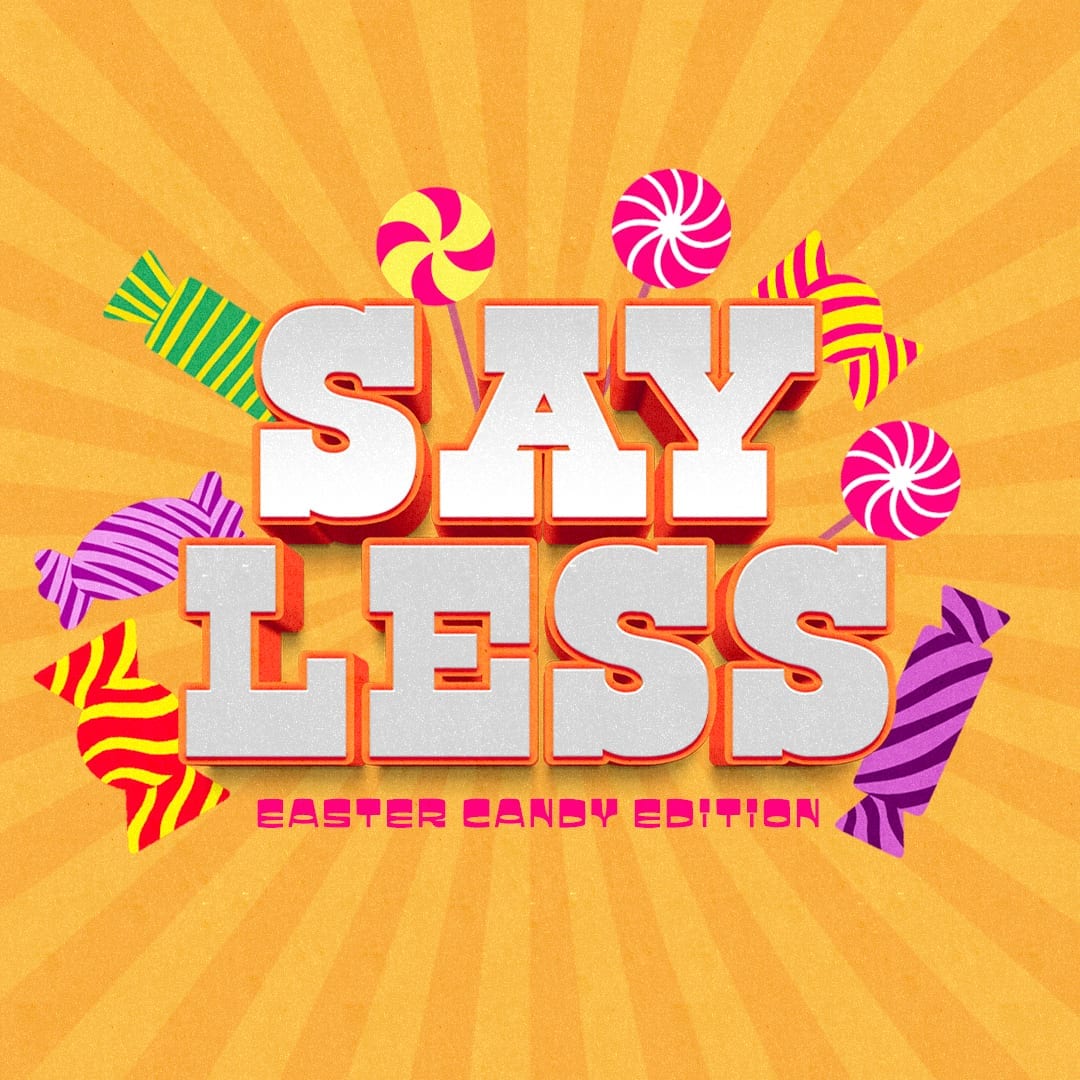
Your Easter basket just acquired a very large vocabulary. Say Less - Easter Candy Edition describes familiar treats in unnecessarily complicated language and asks students to translate the explanation back into candy. Figure out the sweet beneath the sentence before someone else names it first.
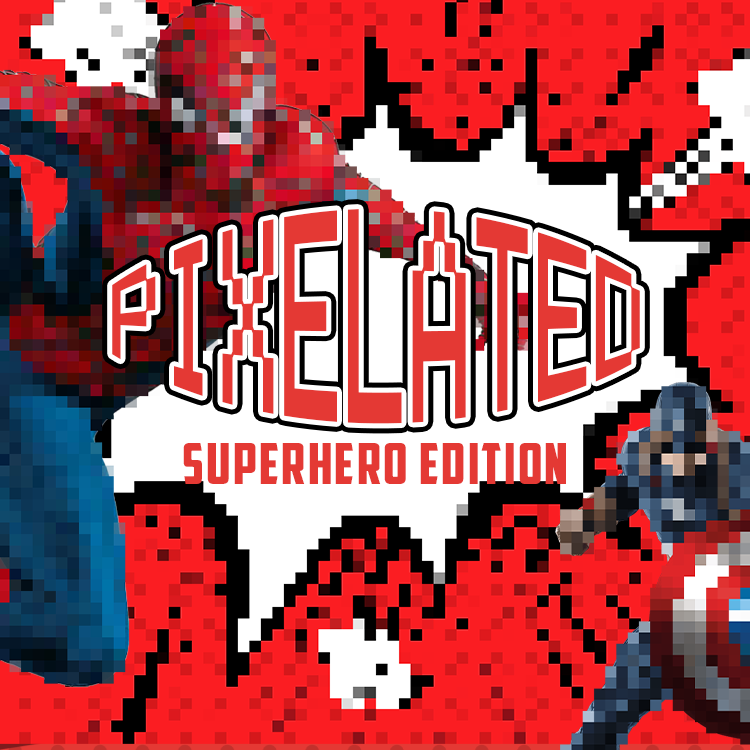
Superhero logos are instantly recognizable until the pixels take over. This edition of Pixelated shows a blocky emblem and challenges students to identify the hero before the picture becomes clear. Watch for a familiar shape, trust your guess, and claim the point before the reveal.
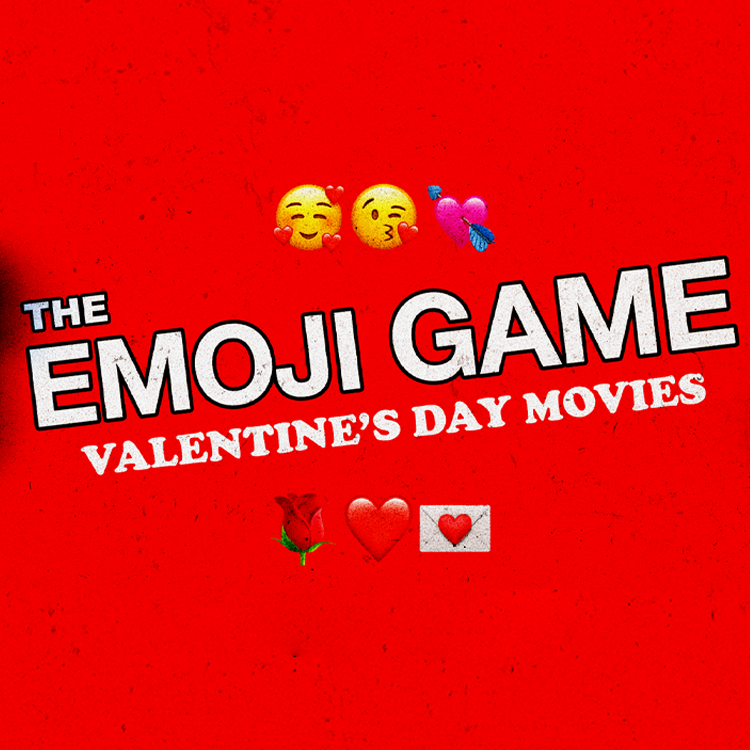
Love stories lose their movie posters and become emoji puzzles in The Emoji Game: Valentine's Day Edition. Individuals or teams decode the pictures, name the film, and collect points for correct answers. The strongest movie memory still needs a little picture-reading imagination.
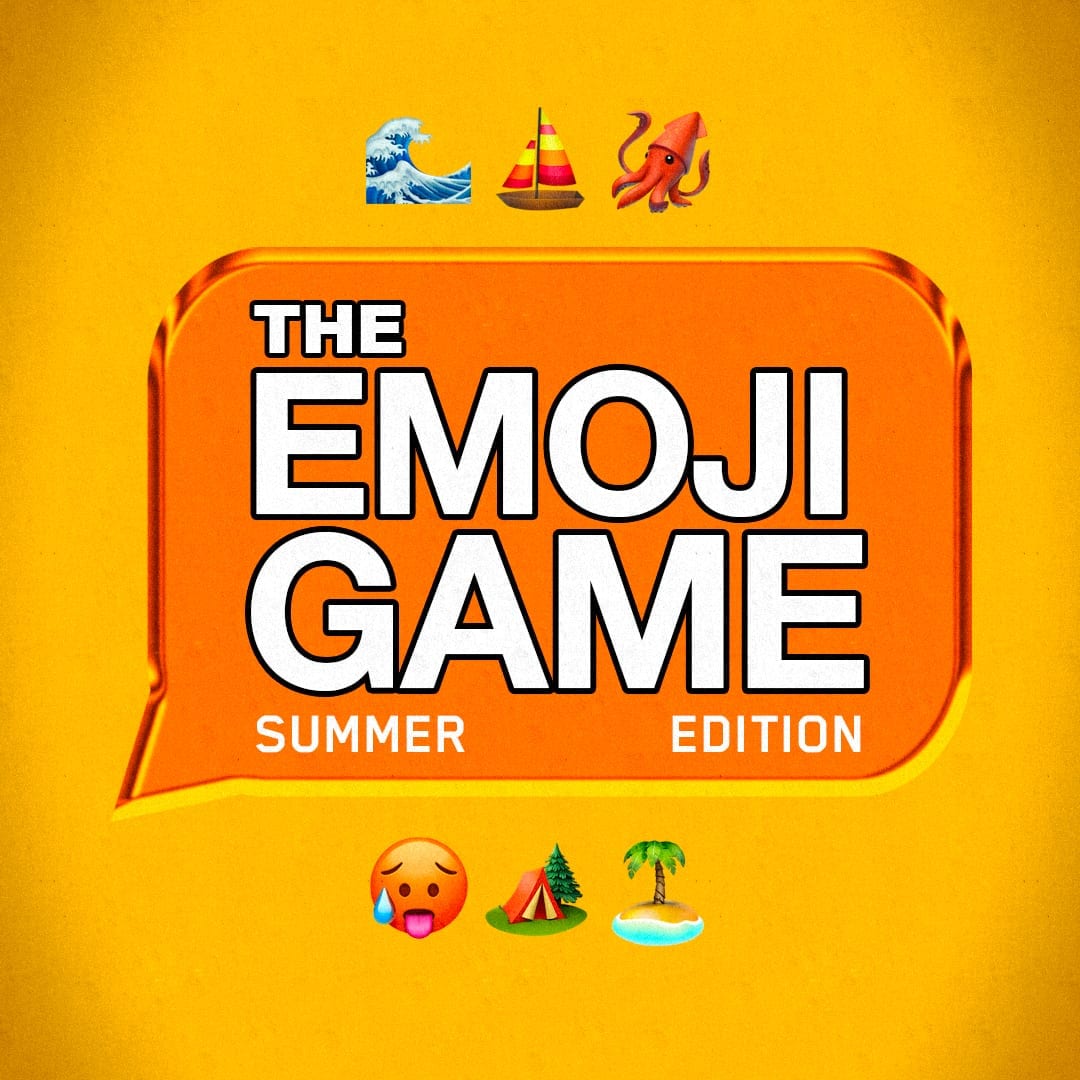
Summer plans look a little different when they're written entirely in emojis. The Emoji Game - Summer Edition challenges students to identify the seasonal item or activity behind each picture combination. A few symbols might point toward a campfire, beach volleyball, or another summer connection.
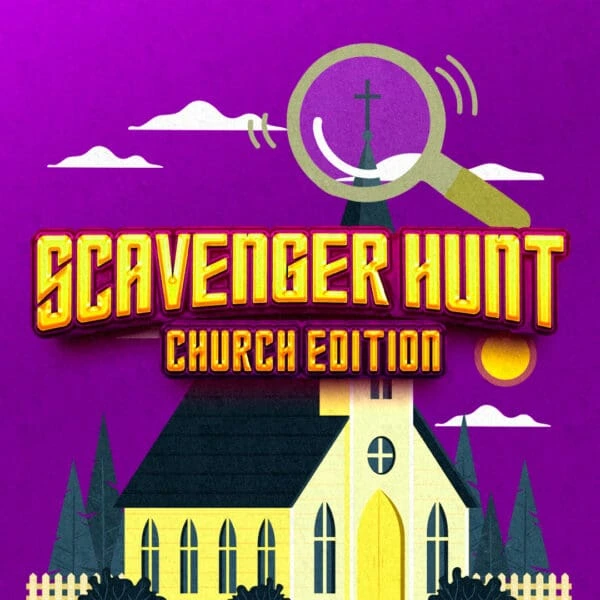
A church bulletin might be easy to find until the other team needs it too. Scavenger Hunt – Church Edition sends representatives searching for familiar items around your church. Put the request on screen and see which team can gather the most items first.
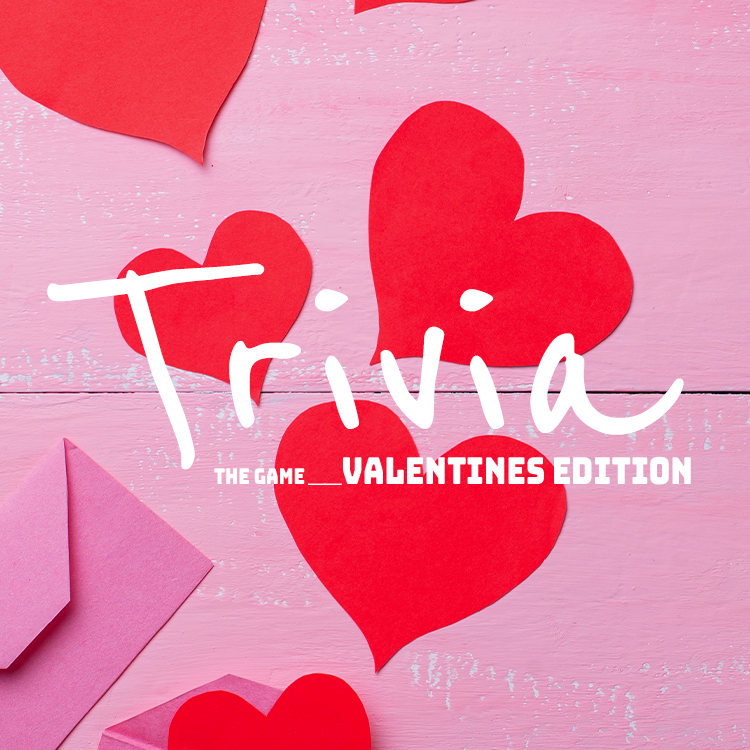
Cards and roses have numbers behind them in Trivia - Valentine's Day Edition. Students work through questions about the holiday and choose from the answers shown. Keep count of correct responses as the group finds out whose Valentine's knowledge goes beyond recognizing a heart.
Matching outfits can lead to unexpected introductions in Scrambler. Students find others who fit the category on screen, then use a conversation prompt to get acquainted. Each new category changes the group, giving students another reason to move and meet someone.
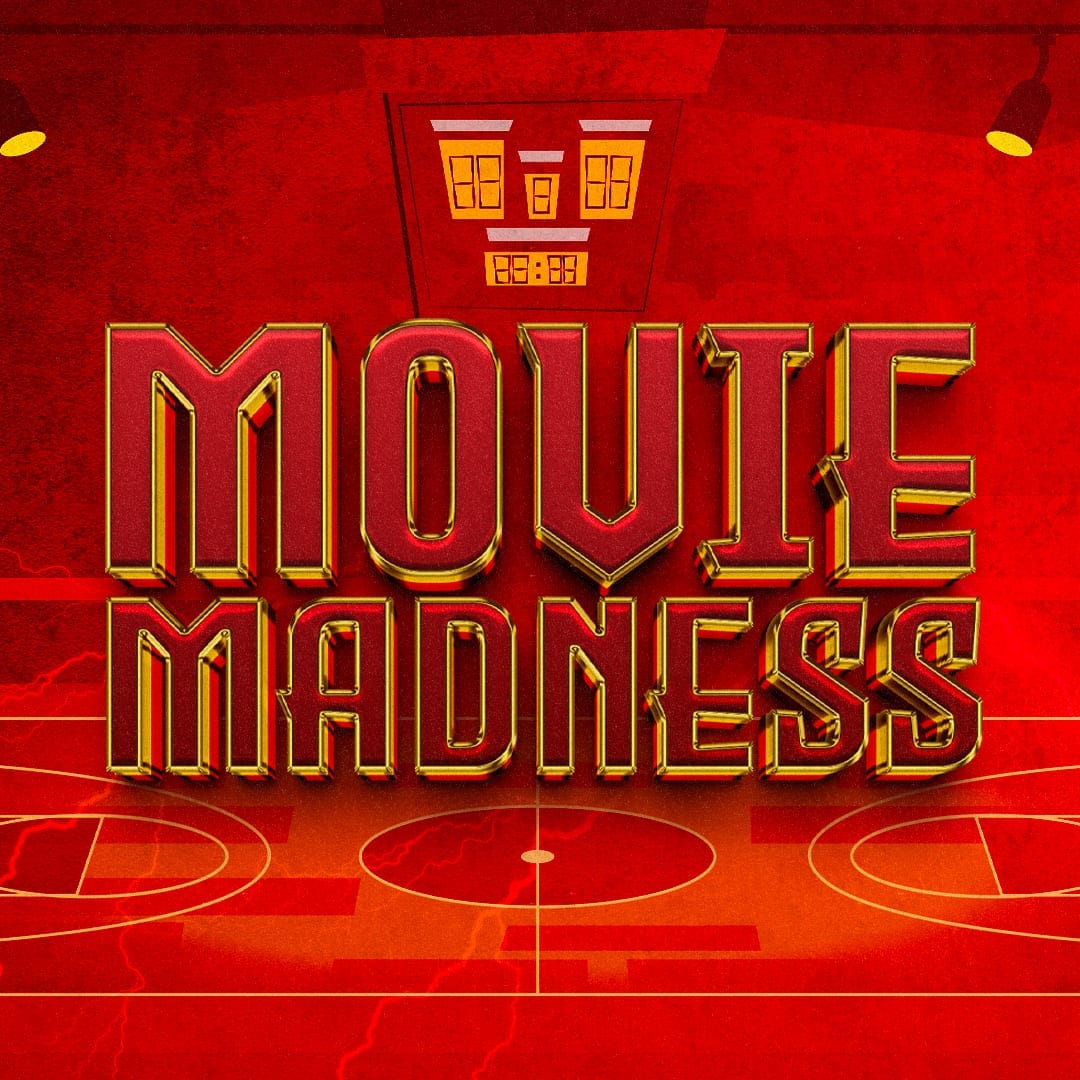
A movie bracket has room for only one bigger blockbuster at each matchup. Movie Madness asks students to compare two films’ inflation-adjusted box-office totals and move to the one they think earned more. Movie taste is personal; this contest follows the numbers on the reveal.
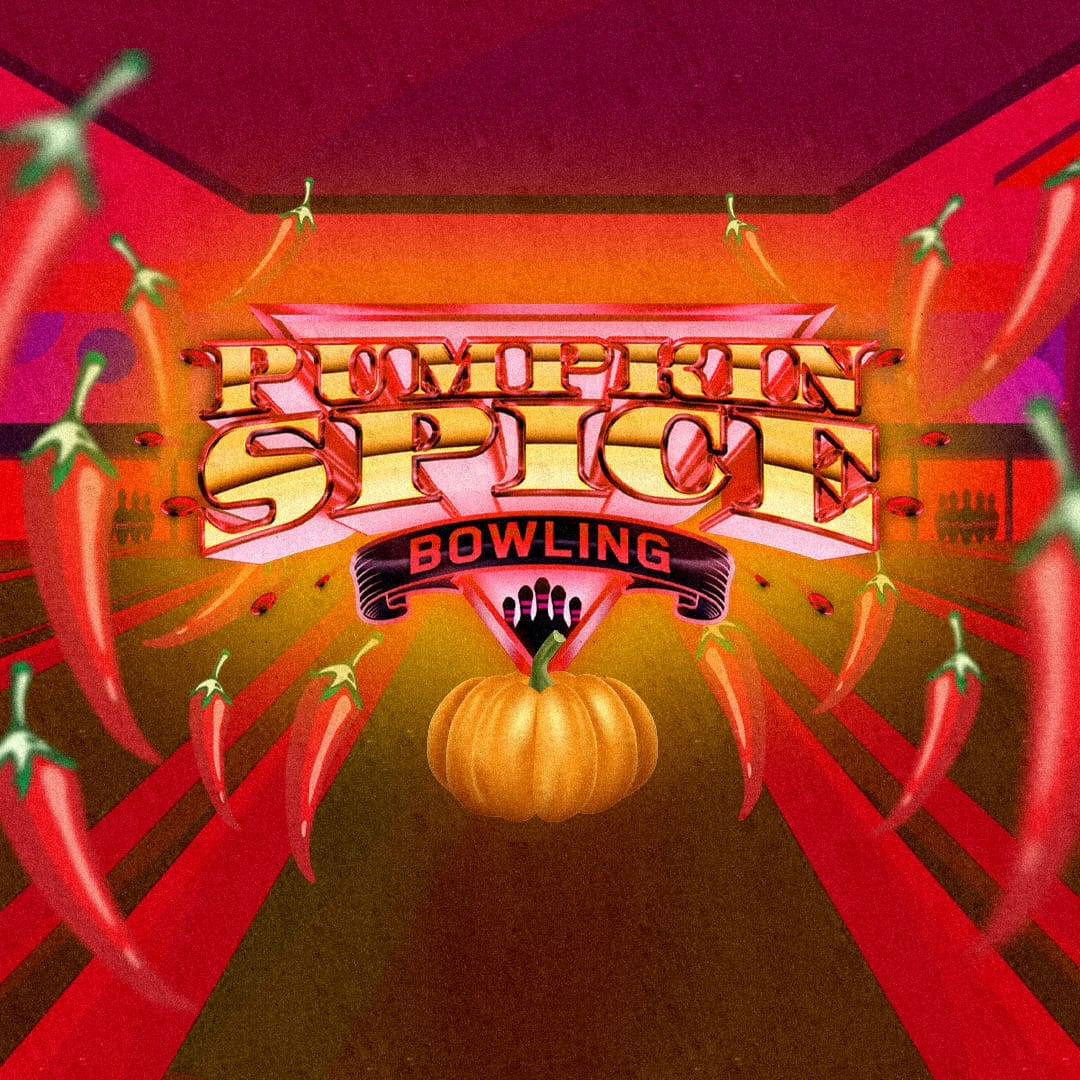
A pumpkin is a much less cooperative bowling ball. Pumpkin Spice Bowling turns fall produce into a hands-on challenge as contestants try to knock down pins and bowl the best frame. You set up the playing area and supplies; the download gives the contest its graphics.
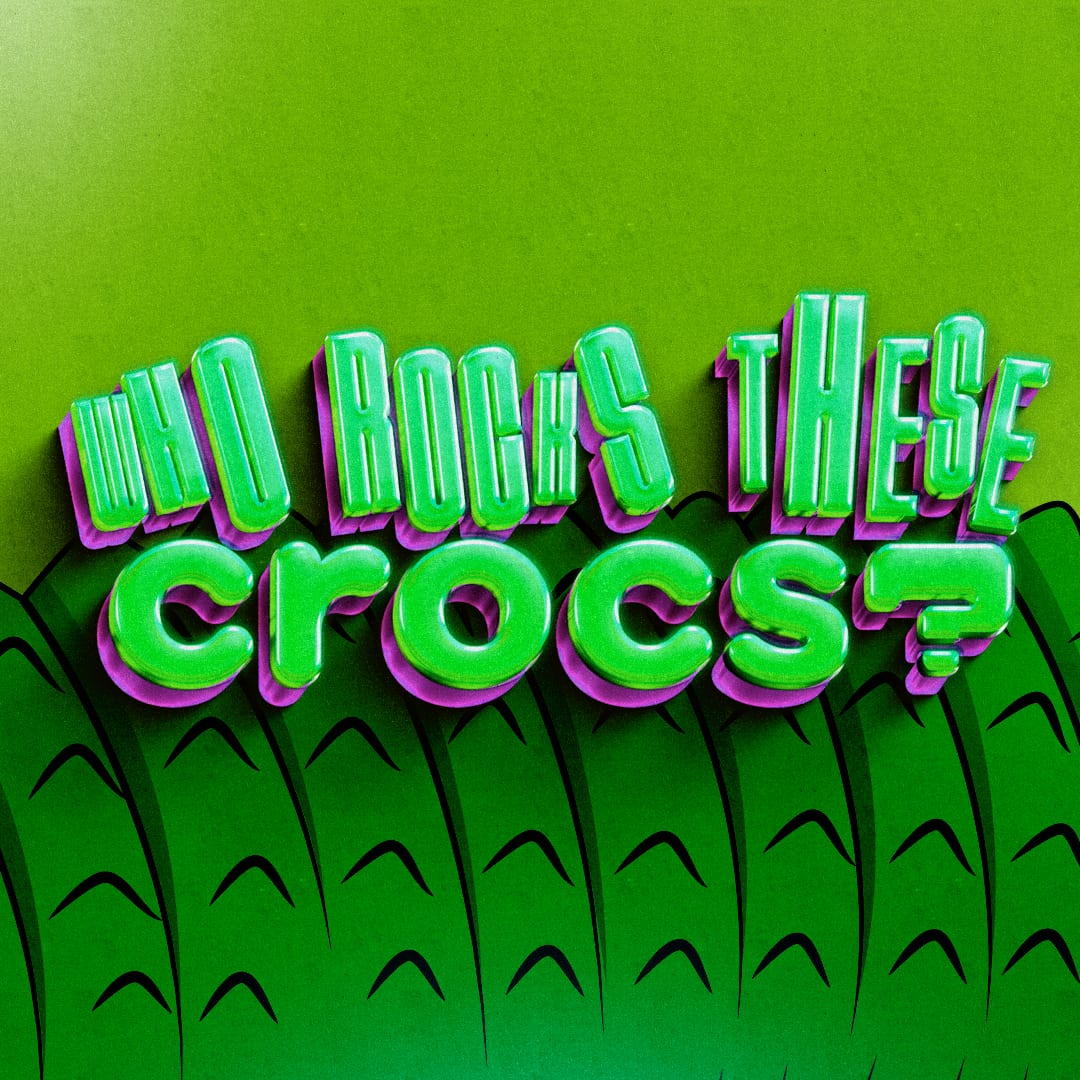
A collection of shoe charms can tell a surprisingly specific story. Who Rocks These Crocs? turns decorated Crocs into celebrity clues, asking students to identify the person suggested by the details. Study the charms, make the connection, and reveal whose name belongs to the puzzle.
One movie image can bring a famous line rushing back. Catch Phrase shows students a screenshot and challenges them to say the catchphrase associated with that film. The quickest correct response wins the round before the reveal supplies the quote and movie.