How to Plan a Youth Ministry Teaching Series
By Keith Parker
Restored from the YouthMin archive.

Plan a youth ministry teaching series around Scripture, a clear main idea, and practical next steps before choosing your title and graphics.
Editorial update by YouthMin, September 30, 2026. Original article by Keith Parker; original publication date retained.
A simple series-planning outline
Before opening a design tool, write down the students you are teaching, the question or need you are addressing, the passages you will study, and what you hope students will do with what they learn.
Series aim: one clear sentence.
Each week: a passage, main idea, and practical response.
Small groups: questions that help students understand and apply the passage.
Leader preparation: materials and discussion points shared ahead of time.
Visuals: a title and graphics that support the message.
If you need a starting question, explore 100 youth group discussion topics .
Keith Parker’s planning framework
I remember sitting down in my office for the first time as a full-time Youth Minister. The books were all placed carefully on the shelf, my pictures and paintings were hung, and my office supplies sat expectantly on my pristine new desk. I leaned back in my chair and thought, “Now what?” I wasn’t sure what to do, where to start, or how to shape this youth ministry I was now leading. So I started with what I deemed to be most important – the communication of God’s Truth.
As leaders in the church, sharing Truth from scripture is one of the most challenging, rewarding and daunting tasks we face. James 3 reminds us of the importance of teaching God’s Word properly. So how do we teach with creativity hundreds of times each year? How do we keep God’s story fresh from week to week? How do we drive home godly application and help students live out their faith?
I thought I’d share a few tricks that I’ve learned since that first daunting day about how to craft a killer teaching series for your ministry. While I try to come up with fresh and creative ideas for teaching my students, I am certain that some of you are far better at this than I am. Here are a few suggestions for your next teaching series.
1. Build a curriculum
Talk about jumping into the deep end, right? I know this may seem like an odd place to start, but stick with me. If you can develop a comprehensive curriculum that encompasses your entire ministry, the weekly teaching calendar becomes much easier. Early on in my ministry, I developed 8 core truths or concepts that I wanted students to learn by the time they graduated from HCCYM. This curriculum includes basic truths like the authority of scripture to more mature truths like serving one another, spiritual disciplines, and world missions. Once I had an understanding of what I wanted students to know in the big picture, it became much easier to scope and sequence my entire year of teaching to meet that larger need. Just a warning; this curriculum took months to think through and develop, and a couple years to really hit its stride, but it has been invaluable to my ministry ever since.
2. Start with the main thing
Once you have your curriculum in place, you can begin to hone in on the specific truths you want to communicate at this moment. So often, I think we start with a cool graphic, a catchy title, or a sweet video, and we build our teaching series from that. Instead, build your teaching series around what really matters – the truth you want students to learn. Begin with that foundation in mind, and grow the series from the ground up. In the end, the truth you want students to learn is far more important than any video you stumble across.
3. Lay it out
Don’t be the person who has no clue what they are doing at youth group next week. Have a plan and stick to it. Once you’ve built your curriculum and decided what you want students to learn, lay out the series in its entirety. Have an understanding of the “big idea” you want to communicate each week, and of course the scriptures you want to drive home. By laying out the whole series, it will help you see the flow, remove extraneous themes that don’t really fit, and figure out how many weeks you’ll need to teach the series well.
4. Pray, pray, pray
I know it should go without saying, but pray like crazy before you move forward. Pray that God would bless your teaching, that students would be challenged by the Bible, and that God would remove obstacles. Bathe your teaching series in prayer, and enlist your adult leaders and others in your church to be praying as well. Never underestimate this power.
5. Package it – seek inspiration
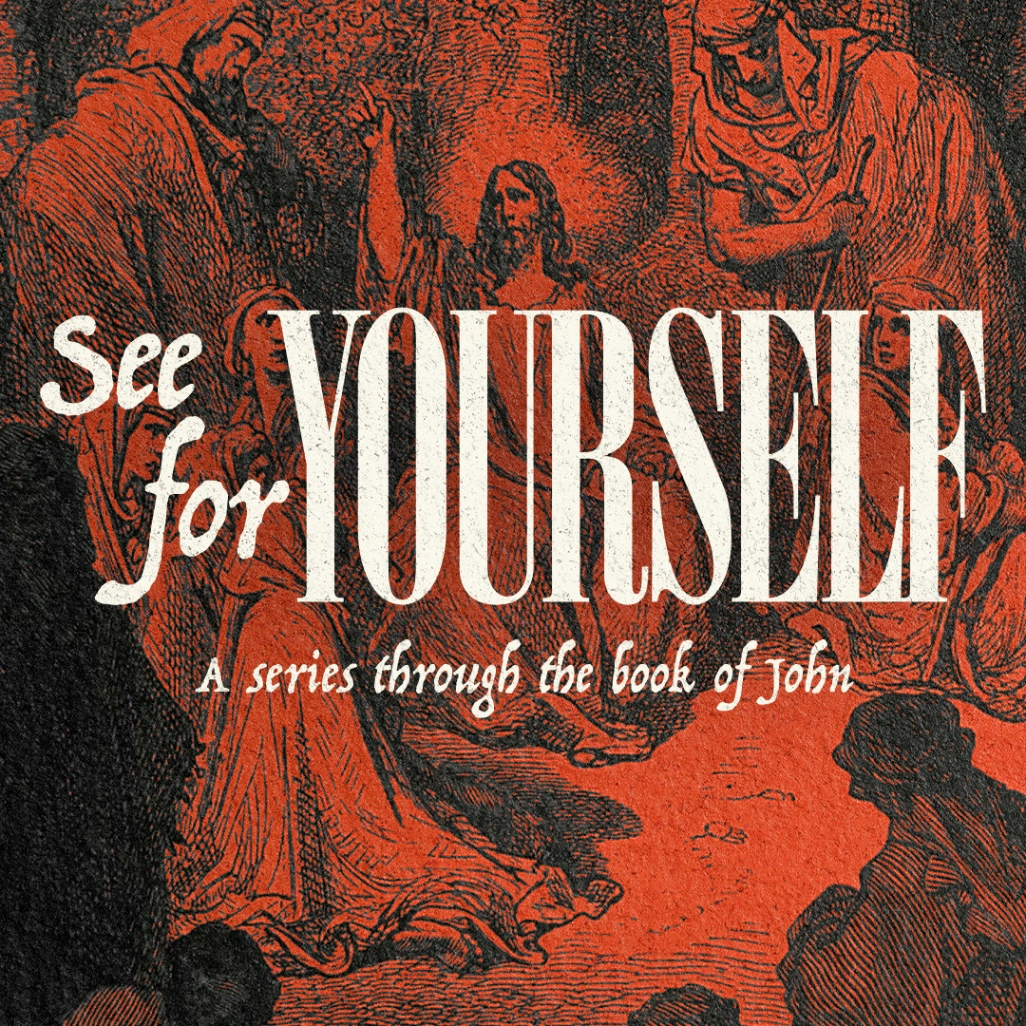
Once you’ve built curriculum, chosen your direction, laid it out, and prayed over it, it’s time to package your teaching series. To help people engage with your series, I usually utilize quality graphics, printed posters, images for the communication channels your students and families use. You might build a bumper video or an introduction video that will help create a buzz about what you are teaching. But to start with, you will need a catchy title. You want something that communicates the core truth and something that can be easily remembered. I usually stick with something shorter for that reason. “Build up the church, also known as the Body of Christ, kinda like that guy Nehemiah rebuilt the walls of Jerusalem” probably isn’t a winner, but “Building Unity” might work.
6. Add the extras
Finally, once the main things are in place, I add the extras. This would include stage design ideas (planned to support the teaching), games that can fit loosely with the series, video clips, prizes or giveaways that might attract students, and even tangible application items that might help students remember the lessons. This is where I can be creative and add memorable elements to the series.
Choose resources after the teaching plan
Browse sermon graphics and series resources once your main idea is clear. Check exactly what each listing includes; graphics, videos, outlines, and complete lessons are different resources. Use the preview to decide whether the visuals fit the series you are preparing.